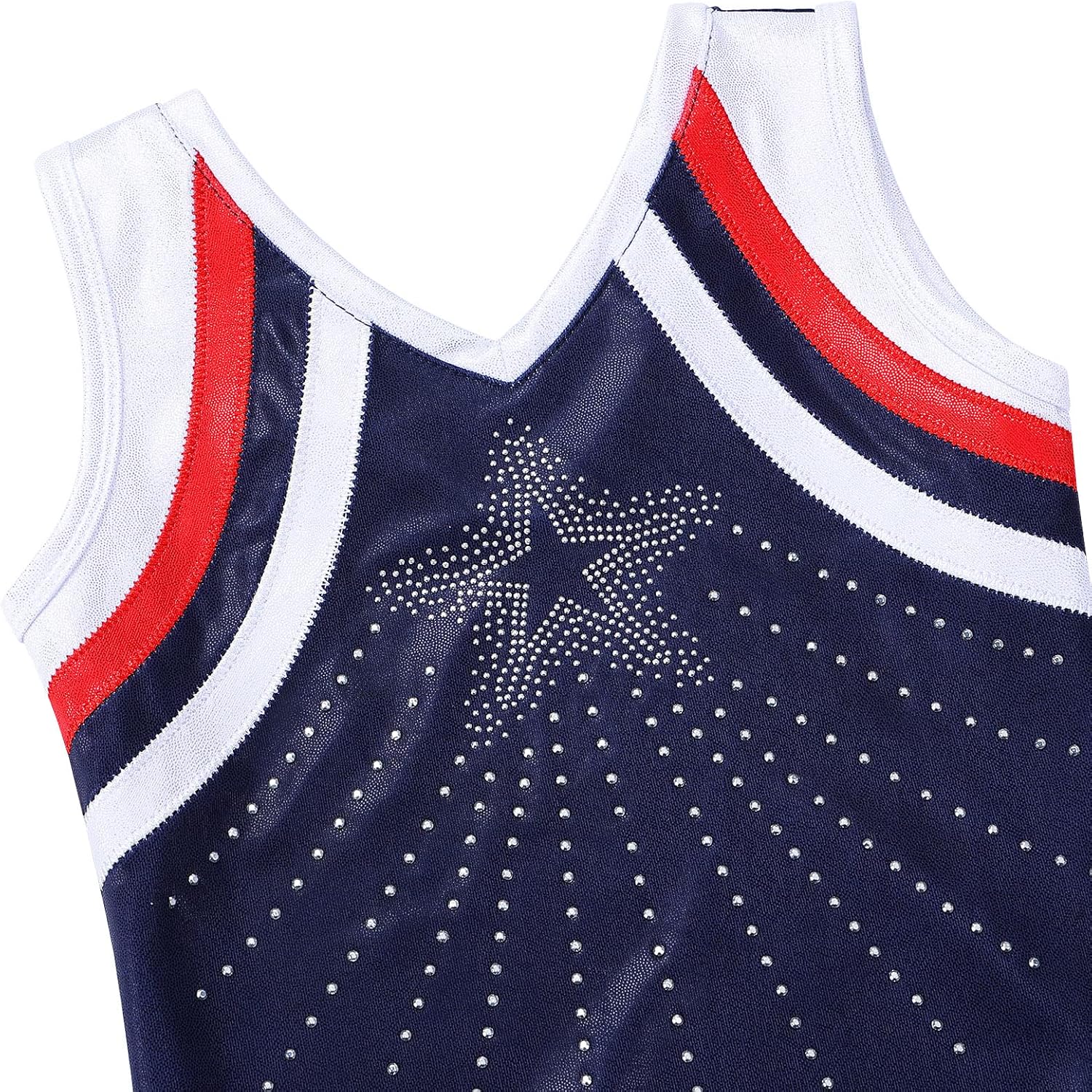
Picture this: your daughter has practice four days a week. She sweats through a leotard every single session, tosses it in the wash, and expects it to be ready again by Thursday. You’ve bought three cheap leos in the last six months, and every one of them has gone fuzzy, faded, or started gaping at the seams by week eight. Sound familiar?
A practice leotard — as opposed to a competition leotard, which is the sparkly, custom-fit piece a gymnast wears in meets — is the everyday workhorse of gymnastics training. It needs to flex through back walkovers, grip through bar work, and survive the washing machine on repeat. The $15–$35 price band is where most families shop for practice wear, and it’s genuinely possible to find pieces here that last a full season. But there are real quality gaps inside that range, and the wrong choice costs you more money in the long run than spending a few dollars more upfront. This guide breaks down what to look for, what to skip, and which tradeoffs actually matter at practice intensity.
Why Practice Leos Fail (and What “Durable” Actually Means)
The enemy of a practice leotard is not rough tumbling. It’s the washing machine combined with chlorine sweat and poor fabric construction.
Most affordable practice leos are made from nylon-spandex or polyester-spandex blends — that percentage of spandex (also called elastane or Lycra, which is a brand name) is what gives the fabric its stretch and snap-back. Consumer Reports’ synthetic-fabric durability guide notes that fabrics with 15–22% spandex tend to hold their shape through repeated mechanical wash cycles better than those at the low end (8–12%), which can lose elasticity after 20–30 washes. The tradeoff: higher spandex content typically pushes fabric cost up, which is why you see cheaper leos thin out faster.
Sublimation printing — a process where dye is heat-transferred into the fabric rather than printed on top — is the other big durability marker. Sublimated prints won’t crack or peel the way screen-printed or iron-on designs do. If a $19 leo has a print that looks “painted on,” expect it to degrade fast. If the color looks like it’s inside the fabric when you hold it to light, that’s sublimation, and it will last.
By the numbers:
- 15–22% spandex content: industry target for shape retention over 40+ wash cycles
- 80°F / 27°C or cold wash: recommended temperature per American Apparel & Footwear Association care labeling guidelines to prevent elastic breakdown
- 4–6 oz per square yard: typical fabric weight range for practice leos; lighter fabrics breathe better but show wear faster
- $15–$35: the functional practice-wear tier; below $15, durability drops sharply; above $35, you’re approaching competition-grade construction
The Sparkle Question: When Rhinestones Make Sense at Practice
Here’s where a lot of families get confused: “Why would I want sparkle on a practice leo?”
Fair question. The answer is partly motivational (kids perform better when they feel good in what they’re wearing — coaches and sports psychology researchers both note this consistently) and partly practical at the intermediate club level. As gymnasts move up in competitive levels — say, Level 4 and above in USA Gymnastics’ Junior Olympic program — they may wear the same leo to practice camps, optional training sessions, and low-key invitationals where the dress code is flexible. A practice leo with modest sparkle bridges those uses.
The key tradeoff: rhinestone embellishment adds cost and laundry complexity. Heat-set rhinestones (glued on with thermoplastic adhesive) are the budget approach. They look great at first but owners consistently report losing stones after 10–15 machine washes, especially if the leo goes through a hot cycle. Sewn or mechanically set stones — more common in mid-range and competition pieces from brands like GK Elite and Destira — hold significantly better but add to the price.
At the $15–$35 band, your realistic options are:
Foil or metallic print (no stones): The most wash-proof sparkle option. The sheen is baked into the fabric via sublimation or foil lamination. Owners report these hold color and shine well past 40 washes when cold-washed. Downside: the effect is subtler than rhinestones.
Minimal heat-set stone accent (3–12 stones): A reasonable compromise. A small cluster at the neckline or waist looks polished without the volume of stones that creates laundry risk. The fewer stones, the less likely you lose the whole design. Wash inside-out, cold, and skip the dryer — that’s the universal advice from GK Elite’s own care documentation, and it applies to any stoned leo at any price.
Full rhinestone coverage: Belongs at competition leo prices ($80–$200+). Chasing this look in a $20 leo is where families burn money. The stones won’t stay.
Fit That Actually Works Through a Full Practice
Fit is where the intermediate buyer should spend the most mental energy, because it’s the variable that cheap sizing charts get wrong most often.
The leotard should anchor at the shoulder straps without pulling, lay flat at the chest, and have leg openings that don’t ride up or gap. A piece that gaps at the leg or rides into the seat means the gymnast is constantly adjusting — which breaks focus and, at the bar or beam, creates a safety distraction.
Most budget-tier brands size by age range (Child 4–6, 7–8, etc.) rather than by measurement. That works at recreational level, but at club level — where a nine-year-old might have the torso length of a twelve-year-old — it falls apart. Look for brands that publish torso length (measured from shoulder to crotch) alongside age and weight ranges. Destira’s sizing guide, for example, includes torso length as a primary fit variable, not a secondary one.
Practical fitting rule: If you’re ordering online without a try-on, measure torso length from the top of the shoulder straight down to the crotch while the gymnast is standing. Cross-reference that number against the brand’s torso column, not the age column. This single step eliminates most returns.
Seam construction matters here too. A flatlock seam — where the fabric edges are joined side-by-side rather than folded over — lies flat against the skin and prevents the chafing and rubbing that folded seams cause over a two-hour practice. Across aggregated reviews of practice leos in the $15–$35 range, flatlock seams are consistently called out as the top comfort differentiator by parents whose kids do high-volume bar work.
How to Shop This Tier Without Overpaying or Undershooting
Here’s the decision framework that makes the most sense at intermediate club level:
If your gymnast is at Level 1–3 (recreational to beginning competitive) and wears a leo 2–3x per week: Target the $15–$22 range. Focus on solid nylon-spandex construction, flatlock seams, and a foil or sublimated print. Skip the rhinestones entirely at this stage — the wear pattern doesn’t justify the laundry complexity.
If your gymnast is Level 4–6 and practices 4–5 days per week: Move toward the $22–$35 range and prioritize spandex content (look for 18–22% on the label or spec sheet) and sublimated color. A modest stone accent is fine if you commit to cold-wash, hang-dry care. Buy two or three of the same style so they rotate evenly — this extends the life of each piece significantly. Owners who rotate a three-leo set report getting full-season wear (September through May) without visible degradation.
If your gym requires a uniform practice leo (common at competitive clubs): Check with USA Gymnastics’ member club guidelines and your gym’s specific code before purchasing anything. Some clubs source in bulk from a single vendor at negotiated prices that often land under $25 for a quality piece — your booster club coordinator may already have this dialed in.
The brands most consistently cited by reviewers and coaches at this tier:
- GK Elite produces an entry-level practice line that sits at the upper edge of this range ($28–$35). GK Elite’s fabric care documentation emphasizes the brand’s use of higher-denier nylon, which reviewers note holds up to repeated washing better than comparable-priced competitors.
- Destira offers practice pieces with the brand’s signature sublimated prints, typically $25–$35, with sizing guidance detailed enough to reduce fit-related returns.
- Motionwear is frequently cited by coaches sourcing for school programs and recreational classes — functional, minimal, and durable in the $18–$28 range.
- Danz N Motion / Danshuz shows up consistently in parent reviews at the $15–$22 entry point, with flatlock construction praised for comfort.
One note on sourcing: if a leo is priced under $15 with “competition-grade” rhinestone coverage and no verifiable brand behind it, the math doesn’t work. The materials alone for that construction cost more than $15. Unbranded ultra-cheap leos from unnamed overseas vendors have a documented pattern — across aggregated parent forums and retail review threads — of running a full size small, using thinner-than-spec fabric, and dropping stones within the first ten washes.
The Bottom Line
Practice leotards are a recurring cost. At four-days-a-week training, a gymnast will go through two to three practice leos per season minimum, so the $15 vs. $30 decision compounds quickly across a year. The math actually favors spending $25–$30 on a piece with legitimate spandex content, sublimated print, and flatlock seams rather than cycling through $15 pieces that degrade in six weeks.
If X, then Y:
- If your gymnast practices 4+ days a week at Level 4 or above → spend $25–$35, prioritize fabric spec over decoration, buy two or three and rotate.
- If practice frequency is 2–3x weekly at recreational or beginner level → $15–$22 is entirely appropriate; skip rhinestones.
- If sparkle matters for motivation or dual practice/invitational use → sublimated metallic print is the durable choice; heat-set stones are fine in small counts with strict cold-wash discipline.
- If you’re buying for a team or cohort → check whether your club has a bulk vendor relationship before purchasing retail.
The sweet spot isn’t a single price point — it’s matching the construction quality to the actual wear cycle. At this tier, that’s a decision you can get right on the first purchase.