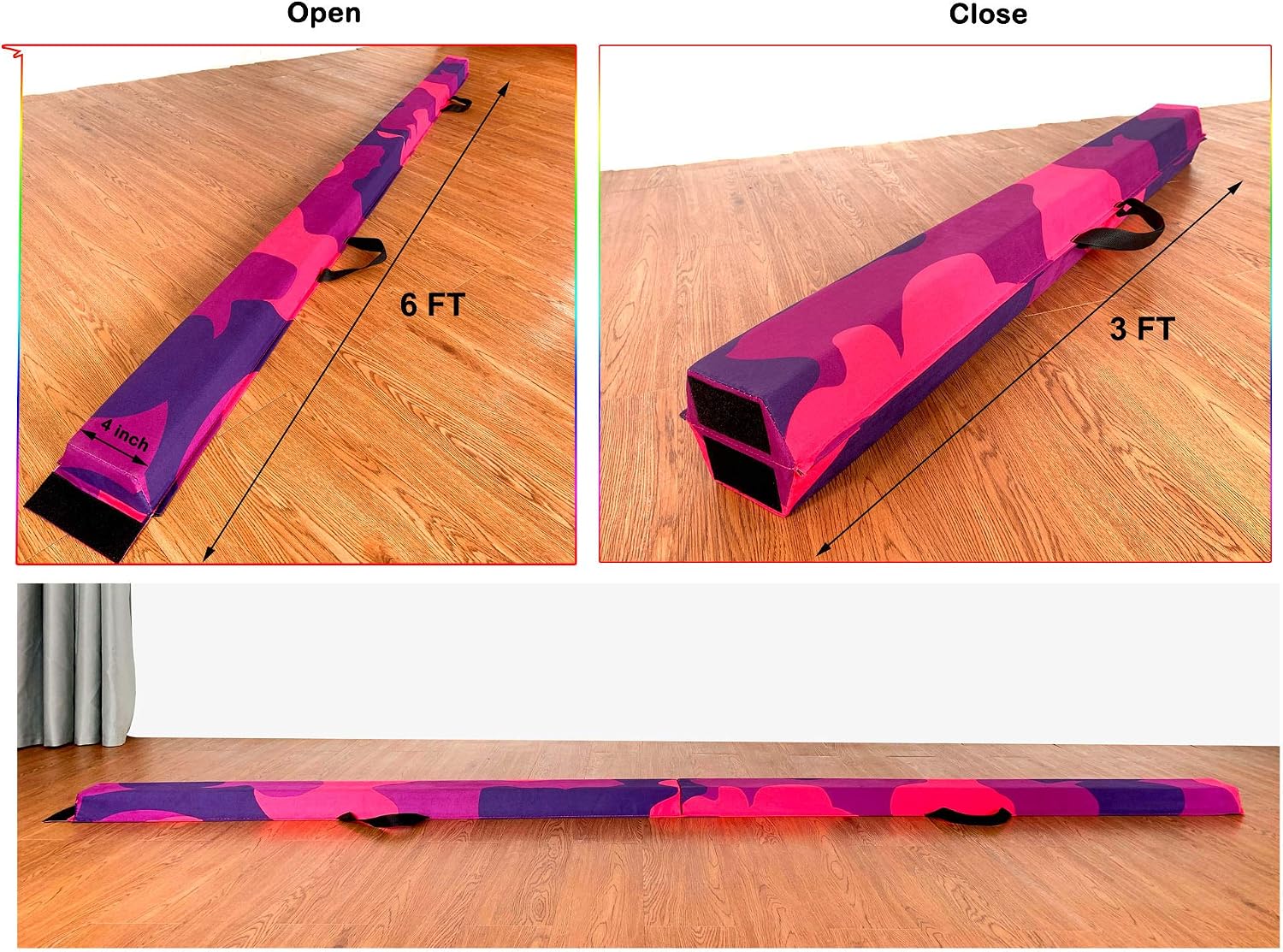
You’ve just bought — or you’re about to buy — a floor beam for home practice. A floor beam (also called a low beam) is exactly what it sounds like: a balance beam that sits directly on the ground or just a few inches above it, so a gymnast can train beam skills safely without the fall risk of a full-height competition beam. You’ve probably noticed that beams are sold with different surface materials: suede, synthetic suede, or PU (polyurethane). Those names get used almost interchangeably in product listings, but they describe genuinely different materials that behave differently under bare feet, grip tape, and the repeated stress of leaps and turns. This article breaks down what each surface actually delivers, where the tradeoffs live, and which one is worth your money depending on how — and how hard — your gymnast trains.
Why Surface Material Is Not Just a Texture Preference
Before we get into the comparison, let’s settle one misconception: beam surface is not cosmetic. It directly affects three things that matter to skill development and equipment longevity.
Grip coefficient — how much friction the surface provides against bare skin and gymnastics shoes. Too little grip and feet slip on landings and releves (rises onto the toes). Too much and skin catches hard on dismounts or rotational skills, which can cause abrasions or awkward wrist loading during handstands.
Moisture response — what happens when a gymnast is sweating mid-workout. Materials respond very differently to moisture: some grip improves slightly, some degrades sharply, and some become tacky in a way that increases the risk of catching toes.
Durability under repetition — a gymnast doing 50+ beam turns per practice is abrading that surface every single session. Surface lifespan matters, especially at the $150–$400 price point where most home-practice floor beams live.
USA Gymnastics’ Equipment and Facility Standards (usagym.org) specify surface requirements for competition apparatus but do not mandate a surface type for training beams used in non-competitive settings. That means the home training market is effectively unregulated on this dimension, which is exactly why buyers need to think about it themselves.
The Three Surface Types Compared
The following three H3 sections break down each material on the dimensions that matter for home training: grip, moisture response, durability, and appropriate skill level. Each section closes with a tier marker indicating which buyer segment that surface best serves.
Suede (Real Leather-Based)
Traditional suede covering is split-grain leather — the inner layer of a hide, napped to create a soft, slightly fuzzy texture. It was the original competition beam surface and remains the reference standard for grip feel, which is why many coaches and former gymnasts instinctively prefer it.
What suede does well: The napped texture provides consistent, medium-high grip across a wide temperature range. Owners of suede-covered beams consistently report that bare-foot work feels natural and close to competition beam feel, and that the material doesn’t feel harsh against the hands during cartwheels or handstands. Because it’s a natural material, it conforms slightly with use, breaking in the way leather does.
The tradeoffs: Real suede is the highest-maintenance option. It absorbs sweat and chalk, which means it needs to be brushed regularly to lift embedded debris. Moisture exposure over time accelerates surface degradation — if the beam is in a garage that sees humidity swings, suede will age faster than synthetic alternatives. Based on aggregated owner reviews and manufacturer guidance, suede surfaces on heavily-used home beams typically show visible wear at 2–4 years of regular training.
Suede-covered floor beams tend to command a price premium of roughly $30–$60 over synthetic equivalents at the same beam quality tier. American Athletic Inc. product specification documentation (americanathletic.com) confirms suede as the surface standard for their USA Gymnastics compliant competition-grade models, which signals why the material carries a cost premium: it is the recognized performance benchmark.
Best for: Level 4+ gymnasts doing serious supplemental skill training who want the surface feel that most closely mirrors competition apparatus.
 product image](/images/external/22343bde9123.jpg)
Tumbl
$429.99
In stock on Amazon
Check price on AmazonSynthetic Suede (Microfiber / Non-Woven Fabric)
Synthetic suede is the most common surface material on mid-range home beams. The term covers a range of microfiber and non-woven fabric products designed to approximate the feel of real suede without the sourcing cost or maintenance demands of leather.
What synthetic suede does well: It’s more moisture-resistant than real suede, easier to wipe clean, and holds its appearance longer under regular use. From a grip standpoint, quality synthetic suede is genuinely close to the real thing. GymnasticsHQ’s Balance Beam Buying Guide (gymnasticshq.com) notes that mid-grade synthetic surfaces have become the practical standard for home and recreational training precisely because they hit the right grip-maintenance tradeoff for most families. For the vast majority of home beam users — recreational and lower-level club gymnasts supplementing gym time — this is the surface that makes the most sense on both performance and value grounds.
The tradeoffs: The category is wide. Not all synthetic suede is created equal, and this is where beam shopping gets frustrating: two beams listed as “synthetic suede” can feel dramatically different. The underlying density of the foam core and how the fabric is bonded to it affects performance as much as the fabric itself. Thin or loosely bonded synthetic suede will bunch, peel at the edges, or develop slick patches faster than a quality product. When comparing beams in this category, look for manufacturer specifications on fabric weight (grams per square meter) and bonding method — established brands publish these details in their spec sheets, and they correlate with real-world durability. Vague product listings that say only “soft suede-like surface” without technical backing are a warning sign.
Price range: Synthetic suede is the dominant surface material in the $80–$350 home beam market.
Best for: Level 1–6 gymnasts doing regular home supplemental training who want reliable grip, easy maintenance, and a surface that will outlast most phases of recreational and club-level participation.
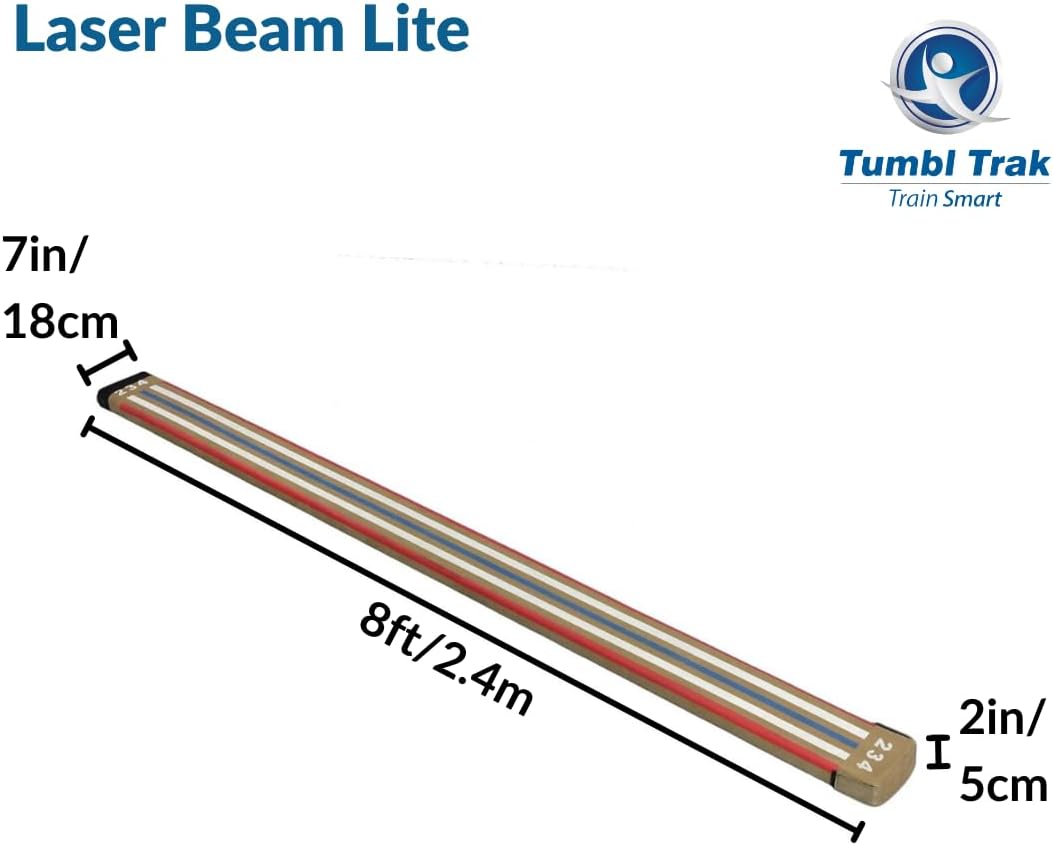
Tumbl
$349.99
In stock on Amazon
Check price on AmazonPU (Polyurethane / Faux Leather)
PU covering is a synthetic polymer coat applied to a fabric backing, designed to mimic the appearance and some properties of smooth leather. It’s the material you’ll recognize from gymnastics mats, balance board pads, and some lower-cost beam models.
What PU does well: PU is the most durable surface option against moisture, dirt, and abrasion. It wipes clean in seconds, doesn’t absorb sweat, and will look presentable for years longer than suede or fabric alternatives under the same conditions. For very young gymnasts (pre-team age 4–7) who are learning basic balance and spending time sitting, rolling, and flopping on the beam, PU’s easy-clean surface is genuinely practical.
The tradeoffs: Grip. PU provides the lowest barefoot friction of the three surface types, particularly when warm or slightly moist from sweat. This is not a minor issue for skill training — a gymnast practicing releves, beam turns, or any skill requiring a secure forefoot push-off will feel the difference. The FIG Apparatus Norms published by the Fédération Internationale de Gymnastique (fig-gymnastics.com) specify non-slip, high-friction surfaces for competition beams; PU does not approximate that standard and is not used on competitive apparatus for this reason.
There’s also a skin interaction issue coaches frequently mention: PU has a slightly tacky resistance that can catch skin on fast dismounts or backward rolls, which is different from the smooth-catch of suede and can feel disorienting during skill progression.
Best for: True beginners — pre-team or recreational gymnasts under age 7 — using the beam primarily for foundational balance exposure, not turn series, back walkovers, or connected skill sequences.
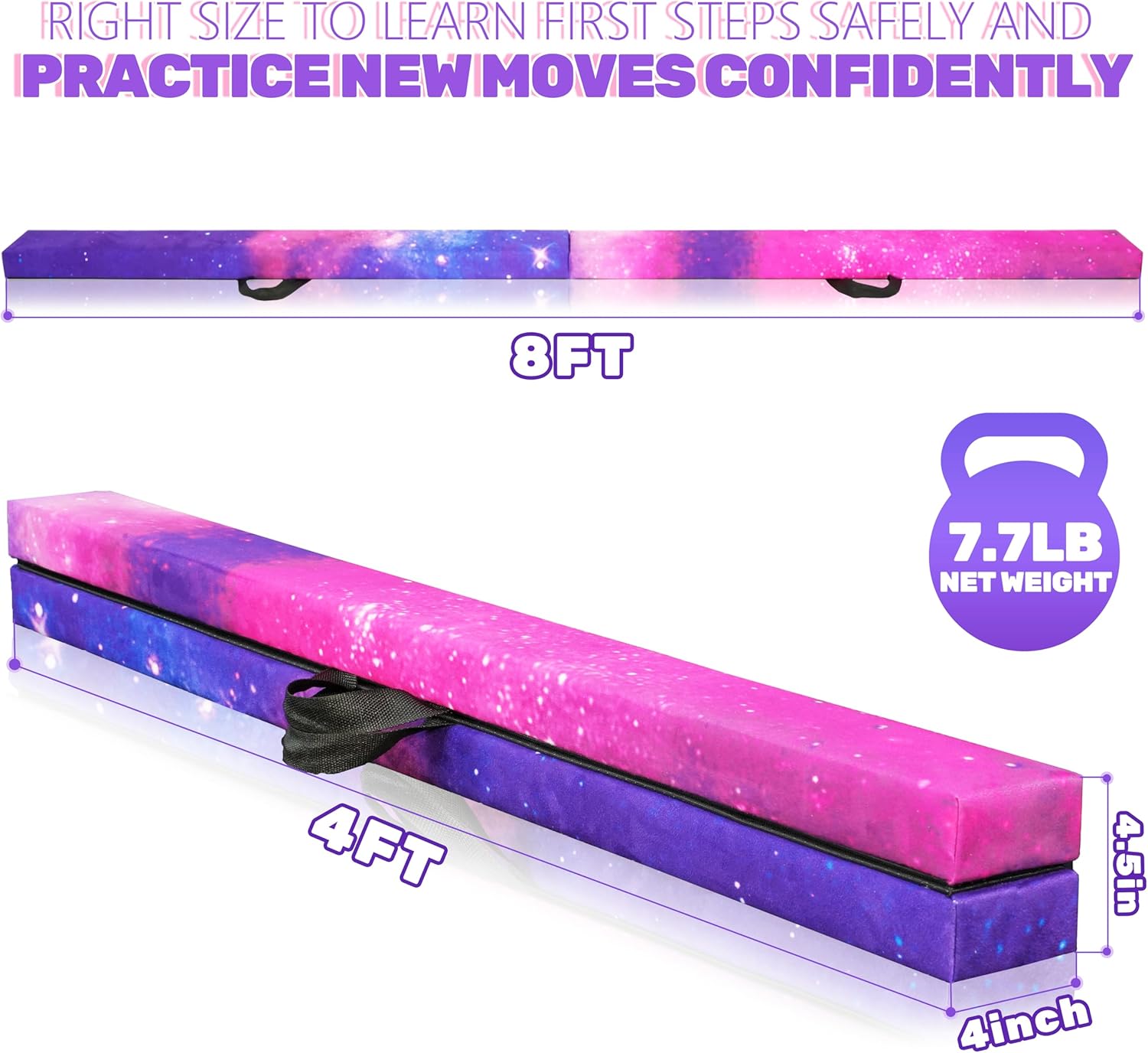
FC
$49.99
In stock on Amazon
Check price on AmazonBy the Numbers
| Surface | Typical grip level | Moisture resistance | Avg. useful lifespan (heavy home use) | Price vs. baseline |
|---|---|---|---|---|
| Real suede | High | Low–Medium | 2–4 years | +$30–$60 |
| Synthetic suede | Medium–High | Medium | 3–6 years | Baseline |
| PU | Low–Medium | High | 5–8 years | −$10–$30 |
Lifespan estimates based on aggregated owner reporting and manufacturer guidance; actual results vary with maintenance and training volume.
The Training Intensity Factor
Here’s the variable most buying guides underweight: how many hours per week is this beam actually getting used?
A gymnast on a pre-team or recreational track (3–5 hours per week) puts meaningfully less wear on a beam surface than a Level 5–8 club athlete doing 12–18 hours per week at the gym plus supplemental home training. The surface choice that makes sense changes accordingly.
Lower-intensity home use (recreational, pre-team, 1–5 hrs/week): Synthetic suede is the call. It provides adequate grip, cleans easily, and outlasts most phases of recreational participation. PU is acceptable if the primary user is genuinely a beginner working on walking the beam and basic jumps — not turn series or back walkover entries. GymnasticsHQ’s Balance Beam Buying Guide (gymnasticshq.com) consistently recommends stepping up surface quality once a gymnast begins working on competitive skill requirements.
Moderate home-supplement training (club Level 3–6, 3–8 hrs/week at home): This is where the suede versus synthetic suede decision matters. If the gymnast is working on beam series, connecting skills, and turn sequences, real suede or quality synthetic suede is the right spec. The grip advantage of suede over budget synthetic becomes tangible at this training density.
Serious supplemental training (Level 7+, Elite development, high-volume at home): The home beam at this level is a supplement to the gym’s competition apparatus, not a replacement. Real suede on a structurally sound core — solid hardwood, not particleboard — is the spec that most closely mirrors what the gymnast will compete on. American Athletic Inc. product specification documentation (americanathletic.com) confirms suede as the surface standard for their USA Gymnastics compliant models, and that design choice reflects competitive surface norms published in USA Gymnastics Equipment and Facility Standards (usagym.org).
The Garage and Climate Variable
One factor specific to home installation that gym environments largely control for: ambient conditions. A beam stored in a climate-controlled bedroom or basement performs differently from one in a seasonal garage.
- High-humidity environments accelerate suede degradation significantly. If your storage space sees summer humidity above 70% regularly, synthetic suede or a sealed-storage bag for the beam extends surface life meaningfully.
- Cold environments affect PU more than suede or fabric. PU can stiffen and become even less grippy below 55°F, which matters if morning garage sessions happen before the space warms up.
- Dust accumulation affects suede grip most acutely. Brushing the surface before sessions — the same way you’d care for suede shoes — maintains its nap and grip. Synthetic suede is more forgiving of occasional dust, and PU simply wipes off.
The Decision Rule
If you’re in a current purchase decision, here’s a clean framework:
If the gymnast is under Level 4 or primarily doing foundational balance work → synthetic suede in the $80–$200 range is the right surface. Don’t overpay for real suede at this stage.
If the gymnast is Level 4–6 and doing beam skills with connection requirements → prioritize suede or documented high-grade synthetic suede. Budget $200–$350 for a beam where the manufacturer specifies the surface clearly.
If the gymnast is Level 7+ using the home beam for high-volume supplemental training → real suede on a hardwood core is the spec that mirrors competition conditions most closely. The $300–$500+ price point is justified by training fidelity. American Athletic Inc. and AAI at this tier publish suede surface specifications; that transparency is itself a quality signal.
If the beam is going into a high-humidity or unheated garage → weight moisture resistance more heavily. Quality synthetic suede with sealed seams is a better long-run choice than real suede in that environment, regardless of skill level.
The surface material on a floor beam is not the first thing most buyers notice — but for gymnasts doing serious skill work, it’s one of the higher-impact variables in whether home training actually transfers to the gym. The three to four minutes spent confirming what a beam is actually covered with before purchasing is worth it.