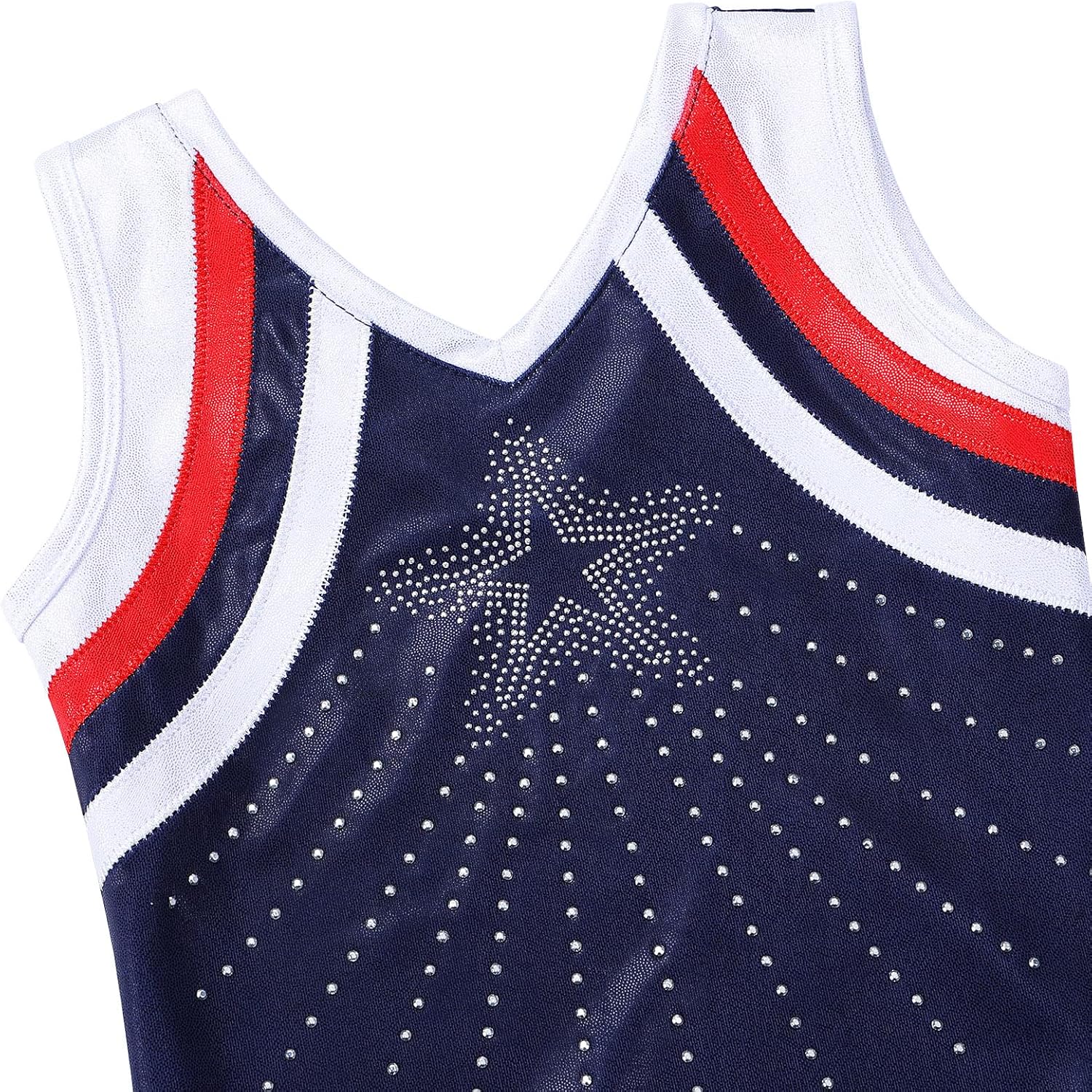
Your daughter just came home and announced she needs a “competition leo” for her first sanctioned meet. You pull up a browser tab and immediately find two completely different categories of leotard — one that costs $30 and one that costs $200 — and nobody has explained why both exist or which one actually matters right now. Here is the short version: a practice leotard is what a gymnast wears every day at the gym, built for repetition, sweat, and chalk. A competition leotard is the uniform worn at sanctioned meets — more decorative, governed by dress-code rules, and a meaningful investment. Knowing which one to prioritize is the difference between spending your budget wisely and buying a $180 rhinestone-covered garment that sits in a drawer while your gymnast trains in a $22 leotard that falls apart by March. This guide tells you exactly what each competitive level actually requires, maps out real cost ranges for 2026, and gives you a clear decision rule at the end.
Why the Two Categories Exist (and Why They Cost So Differently)
The split between practice and competition leotards is functional, not just cosmetic.
Practice leos are engineered for volume. A club-level gymnast training 12–20 hours a week will put a leotard through more mechanical stress in a single month than most athletic garments see in a year — chalk exposure, bar drag, beam friction, repeated stretching in splits and backbends. The fabric priorities are recovery (how quickly the material springs back after stretching) and color-fastness (resistance to fading from chalk and sweat). Brands such as Motionwear, Snowflake Designs, and GK Elite’s training lines target this use case. Retail price range in 2026: $25–$75 for most club-level options.
Competition leos serve a different master. According to USA Gymnastics Junior Olympic Program Rules and Policies — the governing document for most club-level athletes in the United States — leotards worn at sanctioned competitions must meet specific modesty and coverage standards: no exposed midriff, no shorts or skirts for women’s artistic gymnastics at most levels, and no distracting or unsafe ornamentation. Beyond the rulebook, competition leos are also a team-identity signal. Many gyms compete in a team leo (one shared design purchased or leased through the club) or a designated leo (a specific style all athletes at a given level must wear). The fabric is typically heavier, construction involves heat-set crystals or sublimation printing, and the fit is precision-cut for appearance under competition lighting. Price range: $80–$200+ for individual purchases; custom team orders often run $150–$350 per unit depending on design complexity.
Level-by-Level Breakdown: What Each Tier Actually Requires
Most buying guides describe the products without explaining what your gymnast’s specific competitive level actually triggers. The three sub-sections below address that directly, each corresponding to a distinct budget tier.
Recreational, Pre-Team, and Xcel Entry Levels
GymnasticsHQ, in their article “What to Wear to Gymnastics,” confirms that recreational classes have no leotard specification beyond basic coverage and comfort. At the recreational and pre-team stage, there is no competition leo requirement. Buy one or two practice leos and nothing else. Spend $25–$45 per leo. GK Elite’s Mondor training line and Snowflake Designs’ beginner options are consistently noted by coaches for durability at this stage.
For Xcel Bronze and Silver athletes — USA Gymnastics’ participation-track program designed to be less time-intensive than the Junior Olympic track — USA Gymnastics Xcel Program Rules and Policies leave significant latitude on dress. USAG itself imposes no mandatory team leo requirement at Xcel; individual gyms set their own uniform policies. Most Xcel Bronze and Silver programs ask athletes to purchase one designated team leo in the $80–$130 range plus two or three practice leos for training. The competition leo at this level is often sublimated (dye printed into the fabric) rather than crystal-embellished, which keeps cost down and durability up.
Annual leo budget — Xcel entry athlete:
- Competition leo (sublimated team design): $80–$130
- Practice leos (2–3 units at $25–$45 each): $50–$135
- Total annual range: $130–$265
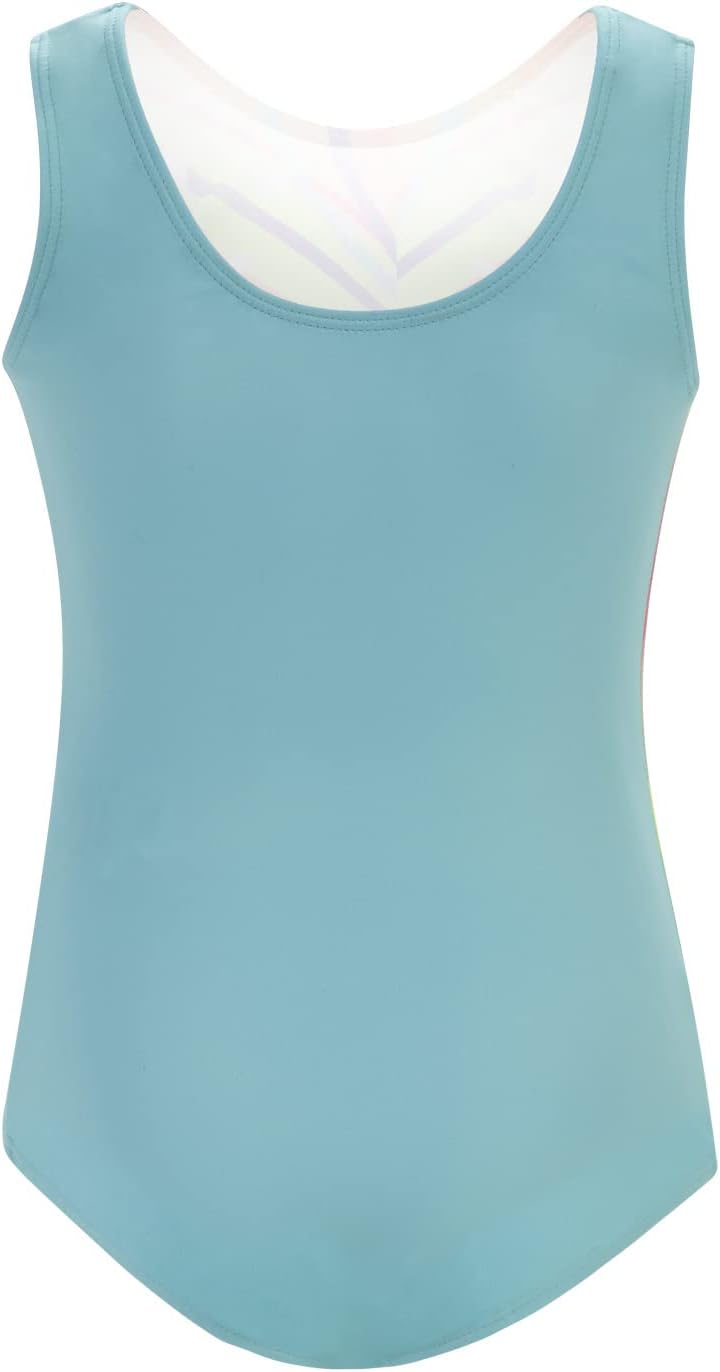
GK
$18.99
In stock on Amazon
Check price on AmazonMid-Level Club: Xcel Gold–Platinum and JO Levels 3–5
This is the tier where the competition leo decision becomes real. Athletes compete more frequently — potentially 8–14 meets per season including invitationals — gyms have stronger team-identity cultures, and the visual standard at meets escalates noticeably.
Per USA Gymnastics Junior Olympic Program Rules and Policies, JO athletes must wear a leotard meeting coverage standards at all sanctioned events; beyond that baseline, gym policy drives everything. Most programs at this tier purchase a custom team leo that stays consistent for two or three seasons. Athletes or families typically pay $120–$180 for the team leo at time of ordering; some programs amortize the cost into annual fees.
Destira’s sizing and fabric guide notes that sublimation leos handle repeated competition-day washing significantly better than crystal-set designs — a relevant consideration when an athlete competes 8–14 times per season.
An athlete training 10–16 hours per week needs a minimum of 3–4 practice leos in rotation to allow for adequate washing and drying cycles. At $35–$60 per leo, budget $140–$240 for a full practice wardrobe refresh at the start of each season.
Annual leo budget — mid-level club athlete:
- Competition leo (team design, purchased once per design cycle): $120–$180
- Practice leos (3–4 units at $35–$60 each): $105–$240
- Total annual range: $225–$420
(New team designs typically cycle every 2–3 seasons, so amortized comp leo cost is approximately $40–$90/year.)
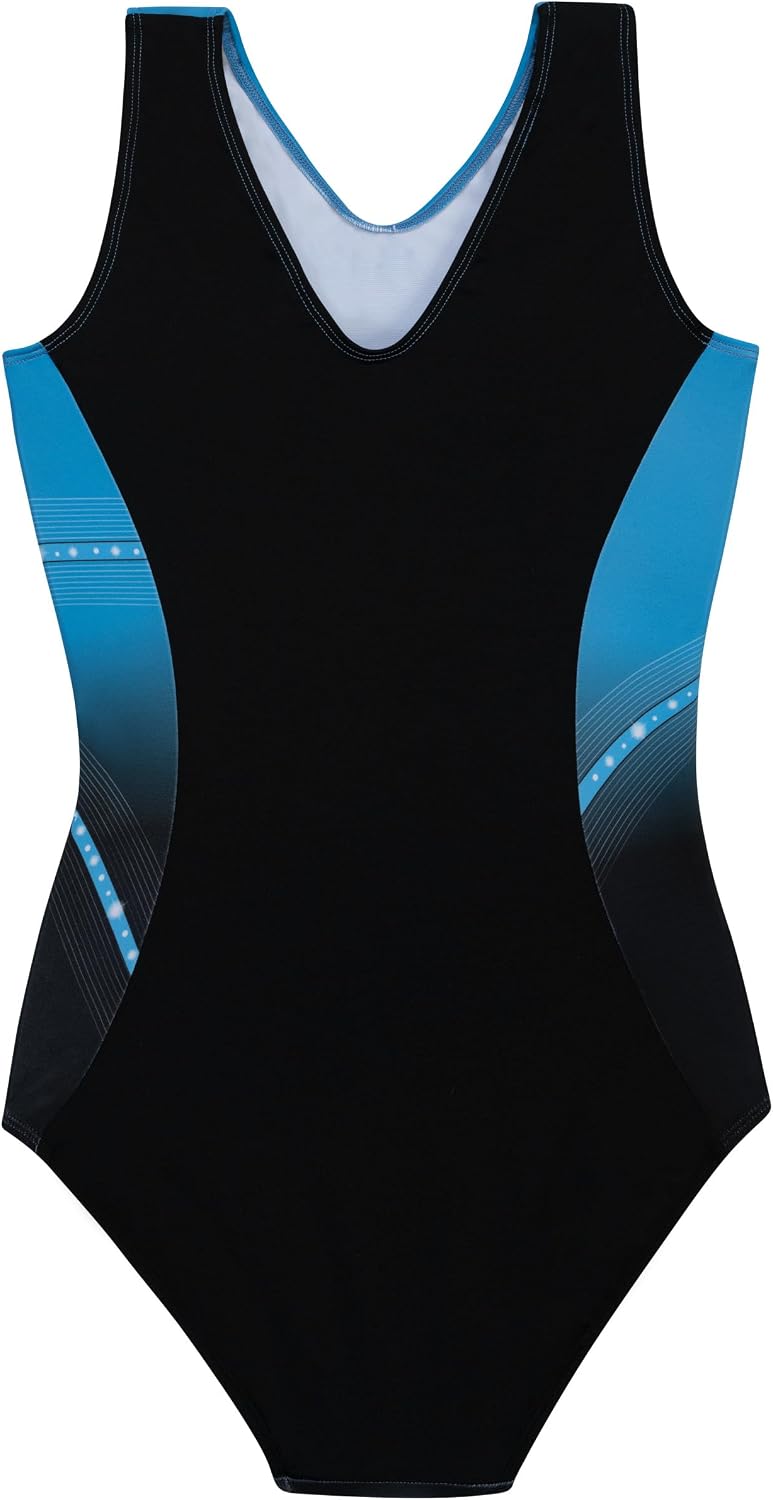
GK
$29.99
In stock on Amazon
Check price on AmazonUpper JO and Elite Levels (JO 6–10 and Above)
At the upper JO levels and into the elite track, two dynamics shift the calculus significantly.
First, premium competition brands become functionally dominant at meets — not because lower-tier brands are prohibited, but because construction quality matters more when judges are watching closely and the athlete’s confidence in their uniform is a genuine performance variable. GK Elite Sportswear’s competition-series product specification documentation outlines stretch-recovery and crystal-retention standards designed for high-volume competitive seasons. Destira’s performance-line fabric guide similarly documents materials selected for appearance integrity under intense lighting across a full competitive schedule. Coaches and gym owners with long-term program experience consistently report that competition leos from these premium lines hold shape and crystal integrity across a full season in ways mid-tier options do not.
Second, USA Gymnastics elite-level dress codes — detailed in the Junior Olympic Program Rules and Policies — are stricter at upper levels, and a team leo purchased through a national team or elite club program may be mandatory and non-negotiable. Families at this tier typically spend $150–$250+ on a competition leo and maintain a practice wardrobe of 4–6 leos given training volumes of 20–30+ hours per week.
Annual leo budget — upper JO/elite athlete:
- Competition leo (premium construction, GK Elite competition series or Destira performance line): $150–$250+
- Practice leos (4–6 units at $40–$60 each): $160–$360
- Total annual range: $310–$610+
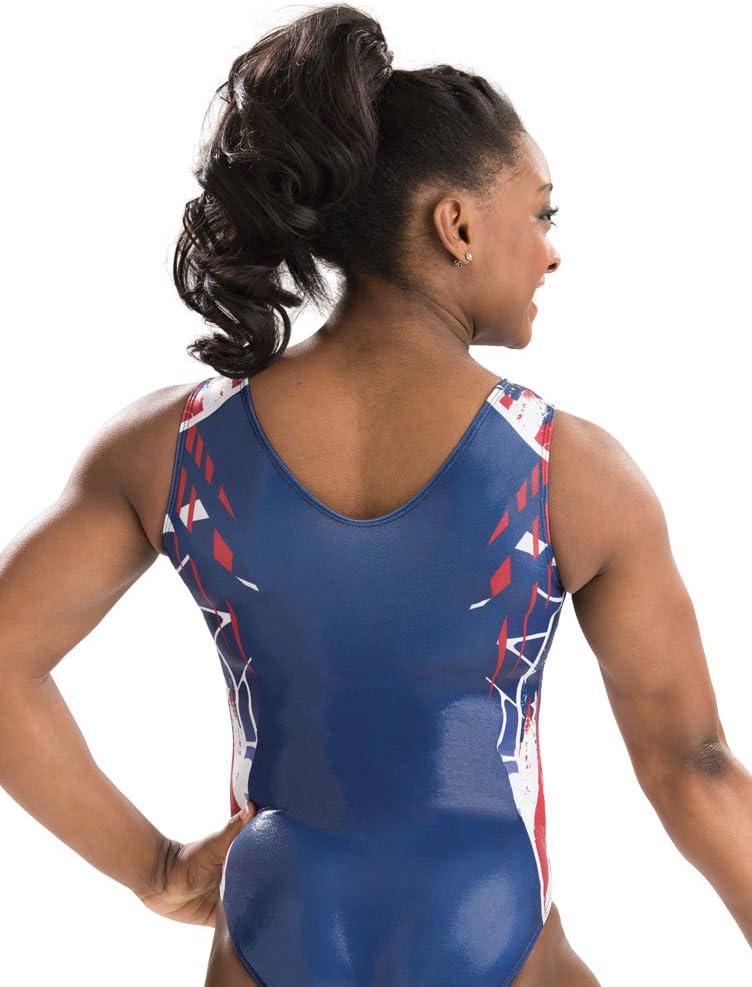
GK
$59.99
In stock on Amazon
Check price on AmazonThe Competition Leo Trap (and How to Avoid It)
The most common mistake gym families make: buying the competition leo first and over-investing before the gym has communicated its policy.
Here is what happens. A Level 3 gymnast gets placed on the competitive team. Parents, excited and supportive, purchase a gorgeous $160 competition leo from a premium brand before the gym has communicated its team-leo requirements. Three weeks later, the gym announces a required team leo in a specific design. The $160 leo is now a very expensive practice leo — or sits unused entirely.
The decision rule:
- Wait for your gym’s team-leo communication before buying any competition leo. Most gyms send this information in a team parent meeting or welcome packet within the first four to six weeks of competitive-season enrollment.
- Buy practice leos immediately — your athlete needs them now, and there is no policy risk attached to that purchase.
- If your gym requires a specific team leo: purchase exactly that, and nothing else for competition use, until you understand which meets require the team uniform versus a “designated leo” with more flexibility.
- If you are unsure about your gym’s policy: email your coach before buying anything above $50. A five-minute conversation saves you $150.
Brand and Tier Decision Framework
The comparison below maps gymnast situation to recommended tier and realistic spend. Each row corresponds to one of the competitive stages discussed above.
| Situation | Recommended Tier | Target Spend | Tier Marker |
|---|---|---|---|
| Recreational / pre-team, any age | Entry practice leo (Snowflake, Motionwear, Mondor) | $25–$45 per leo | GK — $18.99 |
| Xcel Bronze–Silver, first competitive season | Mid-range sublimated comp leo + 2–3 practice leos | $80–$130 comp + $70–$120 practice | GK — $18.99 |
| JO 3–5, established club team | Gym-specified team leo + 3–4 practice leos | $120–$180 comp + $105–$240 practice | GK — $29.99 |
| JO 6–10 / Elite | Premium comp leo (GK Elite competition series, Destira performance line) + 4–6 practice leos | $150–$250+ comp + $140–$360 practice | GK — $59.99 |
What to Actually Buy First
If you are reading this mid-season with a decision pending, here is the full framework distilled to four scenarios:
If your gymnast is pre-competitive or just joining a competitive team: Buy two or three practice leos now. Wait on the competition leo until you have written guidance from your gym. As GymnasticsHQ notes in “What to Wear to Gymnastics,” no leotard specification beyond basic coverage applies until a gymnast enters sanctioned competition — making the practice leo the only essential purchase at this stage.
If your gym has already communicated a specific team leo design or vendor: Purchase that leo and only that leo for competition. Use the remainder of your budget to build out the practice wardrobe. USA Gymnastics Xcel Program Rules and Policies and USA Gymnastics Junior Olympic Program Rules and Policies both make clear that the governing body sets coverage standards, but individual gyms drive uniform selection — meaning your gym’s instructions are the authority you actually need to follow.
If your gymnast competes at JO Level 6 or above and your gym allows leo choice at some meets: The investment in a GK Elite competition-series or Destira performance-line leo is defensible on durability and appearance grounds. Per published product specifications from both brands, these garments are engineered to maintain shape and crystal integrity across a full competitive season at high training volumes — a meaningful distinction at the upper JO level where a leo may be worn at a dozen or more meets.
If you are unsure about your gym’s policy: Ask before spending. The answer takes five minutes and can save you hundreds of dollars.
The leotard market in 2026 offers genuinely good options at every price point — solid practice leos at $35, excellent sublimated competition leos at $110, and worth-the-investment premium pieces at $200. The key is matching the spend to the actual requirement at your gymnast’s current level, not to the aspiration of a level they have not yet reached. The leo is the frame; the performance on the floor is the picture.